
Hair, Ritual and Spiritual Meaning Before Written History
Explore prehistoric hair rituals and archaeological evidence for cutting, preserving and depositing hair, while separating proven practices from uncertain spiritual meanings.
Part one of History for Hairdressers. Sixteen chapters on what archaeology can and cannot tell us about hair care before written history: the first haircuts, tools, combs, braiding, ornaments, pigments and the earliest evidence of hair styling in human art.

Explore prehistoric hair rituals and archaeological evidence for cutting, preserving and depositing hair, while separating proven practices from uncertain spiritual meanings.

Explore the origins of braiding, from possible Paleolithic representations of complex hairstyles to preserved braided hair from later European prehistory.
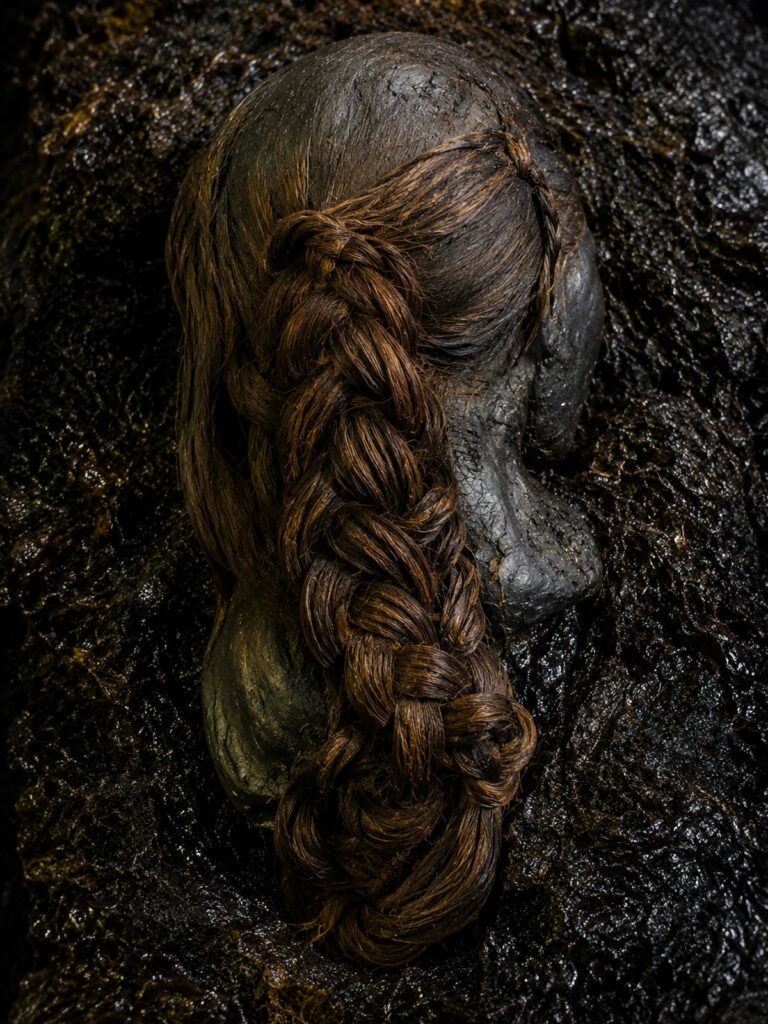
Explore prehistoric hair identity and how hairstyles, grooming and hair representation may have expressed individual and group identity before written history.
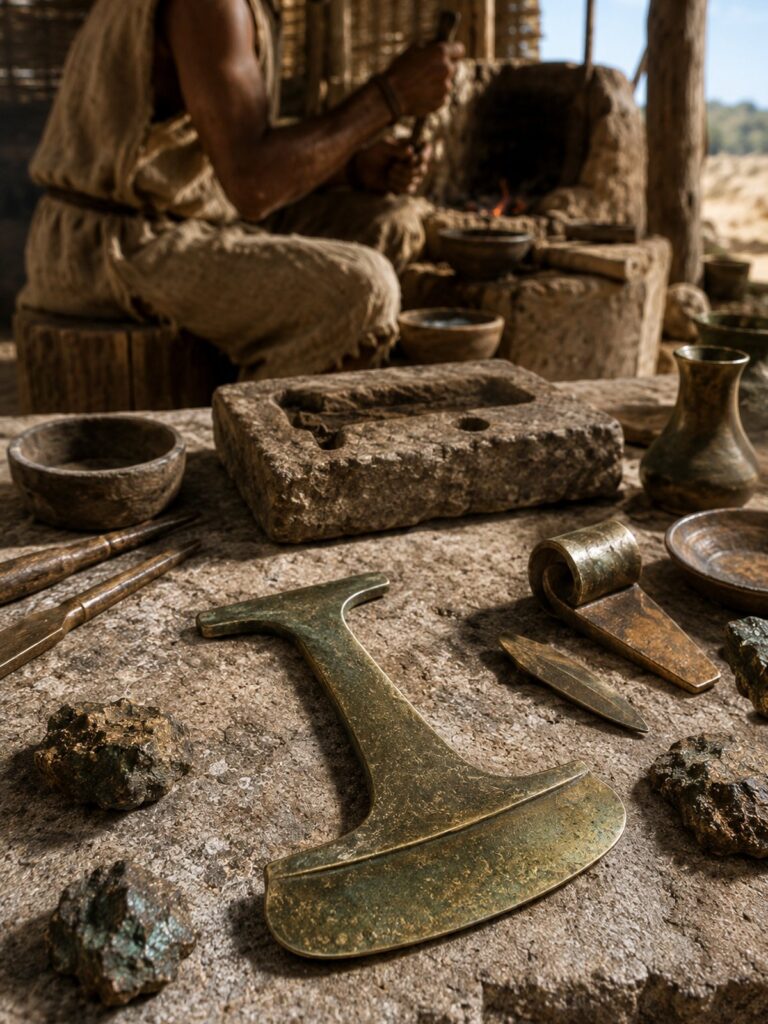
Explore the origins of shaving and how sharp stone and flint may have allowed prehistoric humans to remove hair long before the first metal razors.
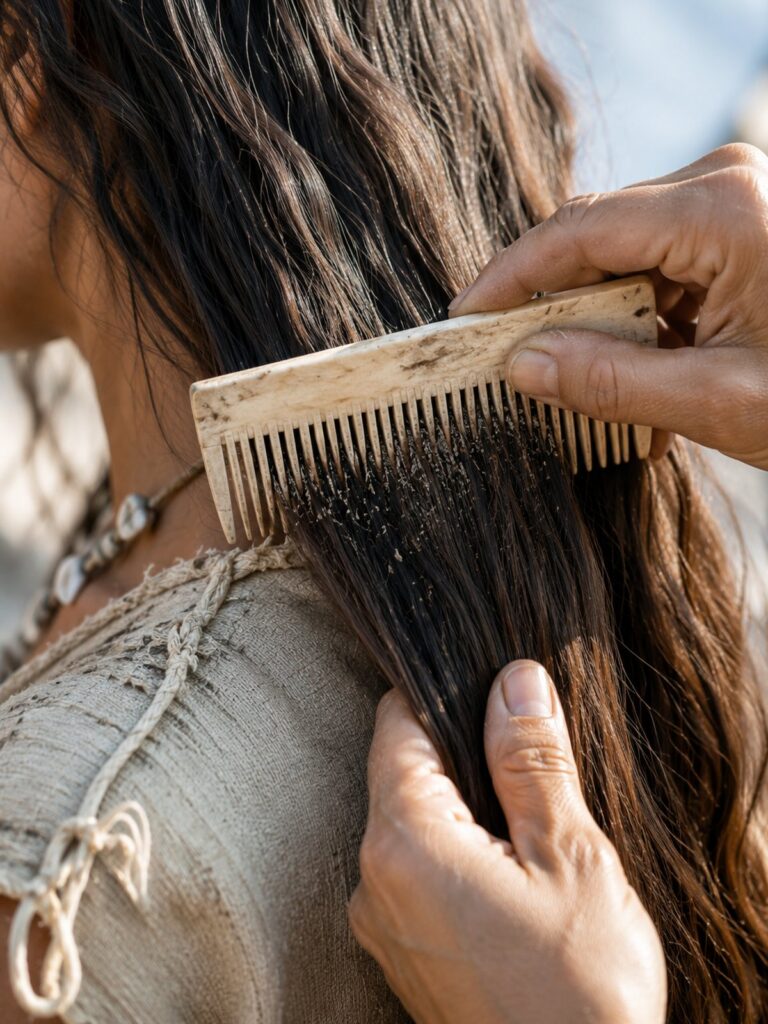
Discover the origins of combs, from prehistoric toothed tools to ancient bone and ivory combs that reveal the beginnings of organised human hair care.
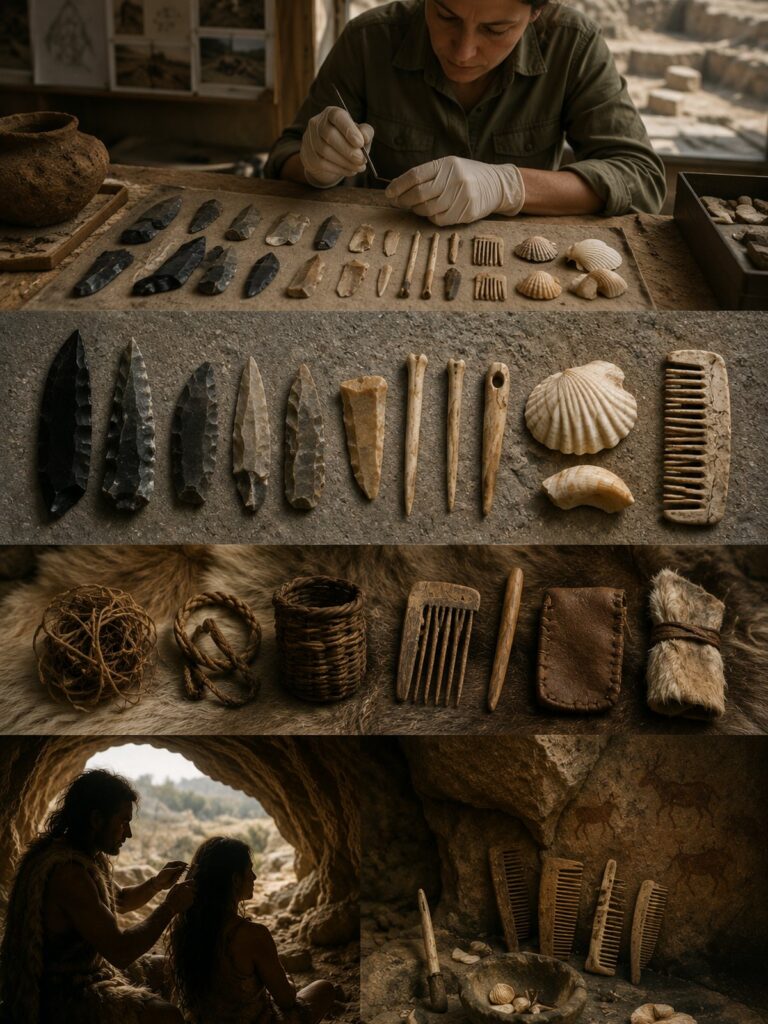
Discover the earliest materials prehistoric humans could use for hair care, from sharp flint and stone to shell and bone, and what archaeology can actually prove.

Thousands of years before scissors and metal razors, humans already possessed edges sharp enough to cut hair. Discover what archaeology can – and cannot – tell us about the first haircut.

Long before salons, scissors and professional hairdressers, humans were already managing and transforming their hair. Archaeology offers fascinating – but fragmentary – clues to the prehistoric origins of hair care.